Supporting Voices
Aid Amid Conflict: Learning From Sudan's Mutual Aid Networks
The Baker Institute examines how Sudan's mutual aid networks have sustained communities despite funding shortages and obstacles to international aid since the civil war began in April 2023.
Baker Institute September 24, 2026Published 1 views
Source:bakerinstitute.org
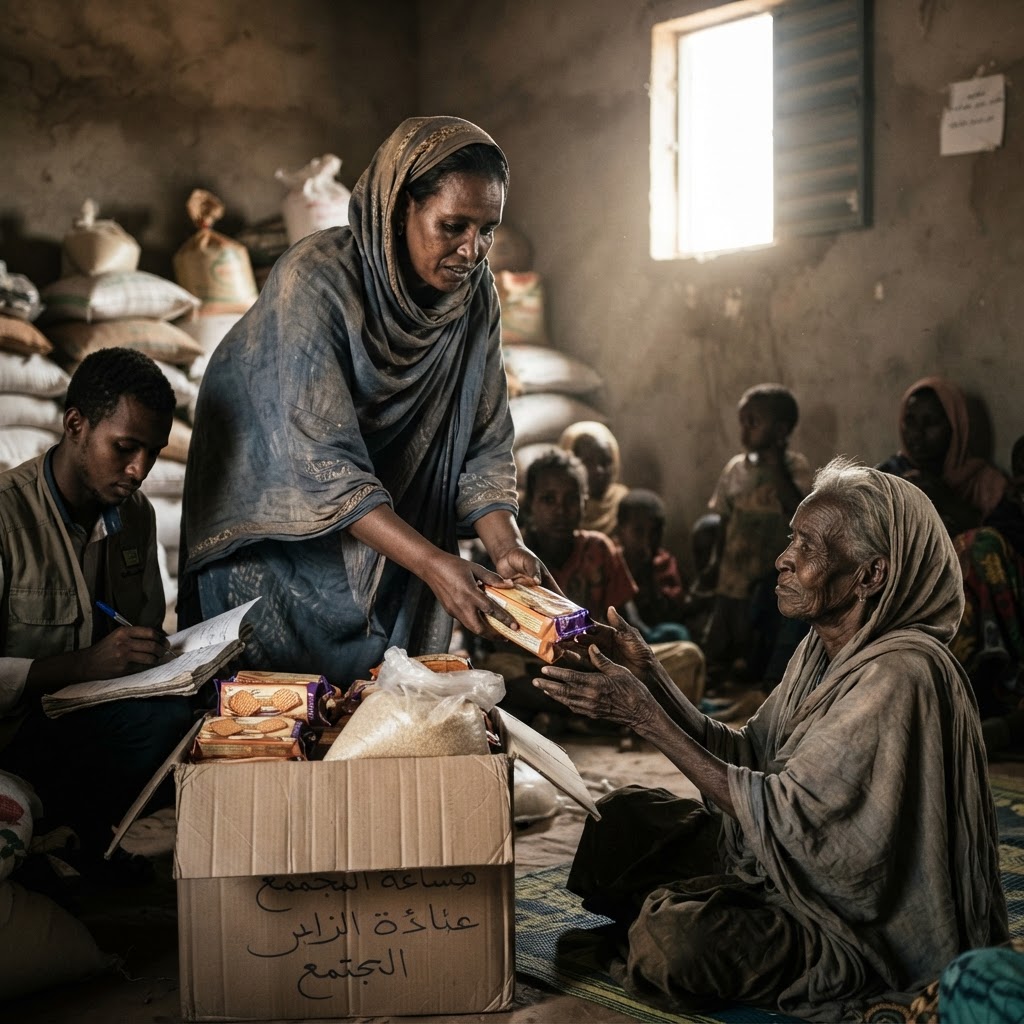
Since the start of the Sudanese civil war in April 2023, international aid efforts have been hindered by funding shortages and obstacles to access. Yet amid the devastation, Sudan's own mutual aid networks—community-led emergency response rooms and grassroots organizations—have stepped in to fill the gap. These networks represent a model of community resilience and local leadership. They coordinate food distribution, medical supplies, shelter, and evacuation support in areas where international organizations cannot reach. They are often the first and only responders in besieged and conflict-affected areas. The Baker Institute research highlights lessons the international community can learn from Sudan's mutual aid networks: 1. Direct funding to local groups is more effective and faster than traditional aid pipelines. 2. Community-led responses are more accountable to the people they serve. 3. Risk management frameworks should accommodate the realities of conflict zones rather than excluding local actors. 4. Diaspora networks play a crucial bridging role between international donors and local responders. The report argues that the international aid system must adapt—moving from a model that bypasses local actors to one that centers and resources them. Sudan's mutual aid networks demonstrate that even in the most challenging environments, local leadership can deliver life-saving assistance with dignity and effectiveness.
mutual aidhumanitarianresearchdiaspora
Share
Comments
Please log in to leave a comment.Log in
No comments yet. Be the first to share your thoughts.
Subscribe to our newsletter
Get a summary of the latest news and analysis delivered to your inbox.