Humanitarian Crisis
Nyala: Acute shortage of supplies and staff at the dialysis center and resumption of oxygen plant production
Nyala: September 28, 2026: Radio Dabanga. The Acting Director of the South Darfur Dialysis Center, medical engineer Hamid Musa Suleiman, stated that... The post Nyala: Acute shortage of supplies and staff at the dialysis center and resumption of oxygen plant production appeared first on Dabanga Radio TV Online.
Radio Dabanga (Arabic) September 28, 2026Published 1 views
Source:Radio Dabanga (Arabic)
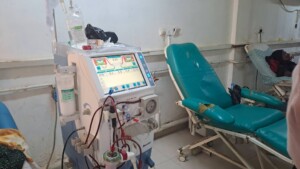
Nyala: September 28, 2026: Radio Dabanga. The Acting Director of the South Darfur Dialysis Center, medical engineer Hamid Musa Suleiman, stated that the center has restored part of its operational capacity after putting three new dialysis machines into service, raising the number of operational machines to seven, after the number had previously dropped to only one due to breakdowns. Suleiman explained to Radio Dabanga that the Nyala Dialysis Center is a major hub serving patients from all five Darfur states, as well as South and West Kordofan, noting that the increased number of machines has helped reduce waiting times and patient congestion. However, he pointed out that the number of patients receiving treatment has recently dropped to about 23, compared to about 45 previously, due to a shortage of dialysis solutions and consumables, which prompted a number of patients to travel in search of treatment, including to Juba, Khartoum, and other areas. Suleiman said that the center receives an average of three to four new patients per week, warning that the number could rise again to about 45 patients in a short period if the necessary supplies for continuing dialysis operations become available. Suleiman noted that part of the dialysis supplies had arrived from the Federal Ministry of Health, but clarified that some materials, including dialysis solutions and sodium bicarbonate, are not regularly available at the center, forcing patients to purchase them from outside, and he called for all supplies to be provided free of charge to patients. Shortage of staff and incentives. Regarding the situation of the staff, the acting director said that the center relies heavily on donations and transportation support to conduct its work, noting that staff incentives amount to only about 5 million pounds, which he described as limited compared to the workload. He added that the center sometimes operates on a two-shift system without providing additional incentives for staff working shifts and overtime, calling on the Ministry of Health to provide appropriate incentives for workers, especially if the shift system continues. He also revealed a shortage of medical and engineering staff, explaining that the center needs an internist, a nephrologist, and a general practitioner, while he considered the number of technicians acceptable, attributing the difficulty in attracting staff to poor financial incentives. Machine maintenance may increase capacity to 10 units. Regarding the maintenance of dialysis machines, Suleiman said that the former Wali and Head of the State Civil Administration honored his commitment to maintaining the machines, and that the spare parts requested from the company are on their way to the center. He explained that the arrival of spare parts will enable the maintenance of three additional machines, which will raise the number of working machines from seven to ten, considering this an important step in the center's capacity to provide services. He said that operating ten machines could increase the center's capacity to more than 60 patients per week, especially given the suspension or disruption of dialysis services in the rest of the Kordofan and Darfur states, which increases pressure on the Nyala center. Suleiman indicated that the dialysis center's affiliation with the Nyala Specialist Hospital has contributed to resolving a number of administrative and technical problems and facilitated the workflow, while at the same time calling on charities and organizations to support the center and provide its needs for medical supplies, spare parts, and incentives. Resumption of oxygen plant production at Nyala Teaching Hospital. The South Darfur Ministry of Health said that the oxygen plant at Nyala Teaching Hospital has begun producing medical oxygen, noting that the move would enhance the sustainability of the oxygen supply and support therapeutic services at the hospital and health institutions in the state. The Ministry stated on its Facebook page that the operation of the plant comes within the framework of efforts made to develop the health sector infrastructure and secure the basic needs of medical facilities, enhancing their ability to provide therapeutic services continuously. Medical oxygen represents a vital supply for a number of health departments, especially emergency, intensive care, operations, and neonatal units. The ministry expected that operating the plant would contribute to reducing reliance on supplies coming from outside the state and providing the needs of health facilities more stably. The Ministry of Health said that the start of production represents a new step within the efforts to rehabilitate and develop the Nyala Teaching Hospital and enhance its ability to respond to growing health needs, in addition to supporting the continuity of medical services provided to citizens.
Radio Dabanga (Arabic)الأخبارالخبر الرئيسيالصفحة الرئيسيةشريط الأخبارعناوين الأخبار
Share
Comments
No comments yet. Be the first to share your thoughts.
Subscribe to our newsletter
Get a summary of the latest news and analysis delivered to your inbox.