Humanitarian Crisis
7,000 Displaced in Blue Nile and Deaths Among Pregnant Women
Blue Nile – October 2, 2026 – Dabanga Radio: The International Organization for Migration has revealed the displacement of...
Radio Dabanga (Arabic) October 2, 2026Published 1 views
Source:Radio Dabanga (Arabic)
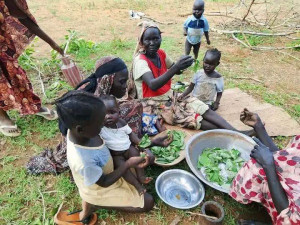
Blue Nile – October 2, 2026 – Dabanga Radio: The International Organization for Migration (IOM) revealed that approximately 7,000 people (about 1,400 families) have been displaced from four villages in Wad Al-Mahi locality, Blue Nile region. The organization stated that those affected have moved to other areas within the same locality. For its part, the Civil Society Initiative in Blue Nile revealed that there are 25,000 displaced people in Geissan, amidst a severe shortage of food, water, shelter, and health services. The initiative confirmed that the estimates of those in need of assistance in the areas of Abu Qumi, Dandan Al-Azaza, Dandan Sheikh Shira, Abli, Dar Al-Aman, Babanusa, and Abu Ashar exceed 100,000 people. It explained that the number of displaced persons from Khor Hassan, Karkaran, and Balbung to the Balang area in Kurmuk province has exceeded 45,000 citizens, noting that their suffering has reached extremely severe levels. According to field reports, some displaced people have been forced to eat tree leaves due to hunger and the lack of food under difficult autumn conditions. Field reports also documented recurring deaths among pregnant mothers in some areas due to the difficulty of accessing treatment and health facilities, pointing to the collapse of health services and shortages of medicine, emergency, and obstetric services. Urgent Demands: The initiative called on the warring parties, national and health authorities, the United Nations, humanitarian organizations, donor nations and entities, the African Union, the international community, as well as civil society organizations and local actors, to take urgent action to save civilians by halting military operations, protecting civilians, opening roads and corridors for aid, patients, and medical personnel, and providing food, water, shelter, medicine, and emergency and obstetric referral services. The initiative also called for ensuring unhindered humanitarian access, providing the necessary funding for the response, and documenting the situations of the displaced and stranded, while identifying needs and grave violations against civilians. The initiative appealed to the international community and relevant regional and international bodies to exert serious pressure on all warring parties, link responsibility to accountability, and take appropriate measures against any party that refuses to end the war or obstructs the protection of civilians and the delivery of humanitarian aid, in accordance with international law and established accountability mechanisms.
Radio Dabanga (Arabic)الخبر الرئيسيالصفحة الرئيسيةعناوين الأخبار
Share
Comments
No comments yet. Be the first to share your thoughts.
Subscribe to our newsletter
Get a summary of the latest news and analysis delivered to your inbox.