
Memory Does Not Die
A reflection on the meaning of victory and national memory: homelands are not built on oblivion, and true reconciliation begins with acknowledging victims, documenting violations, and establishing the rule of law over the power of arms.
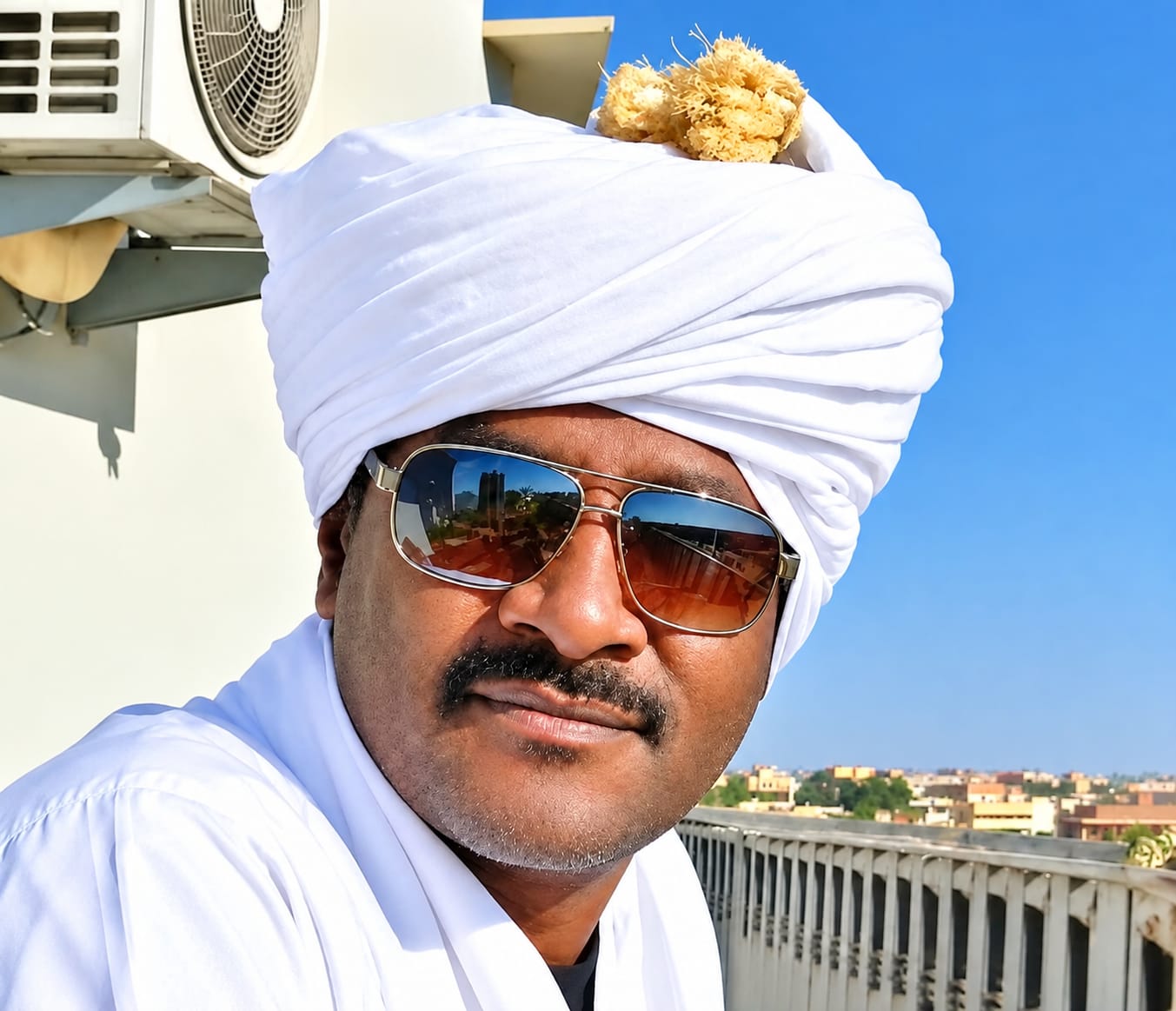
✍️ Written by/ Hassan Al-Baseer
▪️ In moments of victory, a nation should not look only at its raised flags, but must remember the heavy price paid to reach this moment. For victory, as many Sudanese see it, was not merely the fruit of abundant weapons or soldiers, nor was it forged by military calculations alone; rather, it was, above all, the result of long patience, steadfastness in adversity, sincere prayers in the depths of the night, and the resolve of men and women who held onto their homeland in the darkest of times.
Behind every step forward lies blood that was shed, souls that ascended, homes that were abandoned, families that tasted the bitterness of displacement and loss, and heavy days and nights that the Sudanese lived through amidst fear, siege, hunger, and displacement.
▪️ Yet, the greatest thing that must remain present in the conscience of the nation is that memory does not die. The Sudanese people will not forget the killings, violations, looting, displacement, and destruction they were subjected to; the passage of time will not erase the traces of the tragedies civilians endured; and political settlements or fleeting initiatives will not be able to erase the right of victims to know the truth, find justice, and recover their rights.
True reconciliation is not built on forced oblivion, nor on closing the pages of the past before they are read, but begins with acknowledging the victims, documenting the violations, and holding everyone whose responsibility is proven accountable before a fair and independent judiciary.
▪️ The Sudanese will also never forget those who collaborated with the aggressors, or exploited the chaos for looting and robbery, or pointed out homes and properties, or provided cover for any violation. National memory will also never forget the stances of those who stood with the victims, those who opened their doors to the displaced, those who carried their lives in their hands to defend their people and their homeland, and those who sacrificed their money, effort, and time to save whatever could be saved.
▪️ It will remain the state's responsibility to pursue crimes through legal means and to ensure fair and prompt trials for everyone proven guilty, far from vengeance or retribution, so that justice does not turn into a new form of chaos. Just retribution does not mean vendetta; it means that the rule of law is stronger than arms, and that everyone who has committed a crime knows that time does not cause rights to expire, and that impunity is not fate.
As for those who offered their lives and blood for Sudan, their legacy will remain in the nation's memory as long as flags continue to wave in its skies. Their most eloquent message will remain that homelands may stumble, but they do not die, and that peoples may bow under the weight of adversity, but they rise again when they reclaim their unity and dignity.
▪️ Memory does not die, rights do not expire with the passage of time, and history does not forget those who oppressed, those who endured, nor those who sacrificed.
Comments
No comments yet. Be the first to share your thoughts.
Subscribe to our newsletter
Get a summary of the latest news and analysis delivered to your inbox.