
Supporting Voices
UN: Deadly drone strikes disrupt vital services
Amsterdam - October 20, 2026 - Radio Dabanga. The United Nations Office for the Coordination of Humanitarian Affairs (OCHA) expressed...
Radio Dabanga (Arabic) October 20, 2026Published 1 views
Source:Radio Dabanga (Arabic)
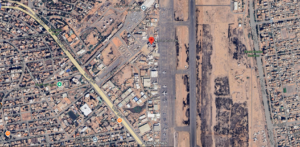
Amsterdam - October 20, 2026 - Radio Dabanga. The United Nations Office for the Coordination of Humanitarian Affairs (OCHA) has expressed grave concern over reports from across Sudan regarding the continuation of deadly drone strikes, which are killing civilians—including children—and disrupting essential services. OCHA stated that in the capital, Khartoum, reports emerged of drone strikes yesterday targeting several locations, including areas near the airport; according to reports, this resulted in the death of one civilian and the cancellation of some flights. In West Darfur State, reports indicated that 11 people, including nine children, were killed and others injured in a drone strike that occurred on Saturday in the 'Bir Saliba' area. In South Darfur State, a drone strike last Friday targeted the 'Livestock' market in Nyala, the state capital, leading to the deaths of at least four people, including a child. In South Kordofan State, at least four civilians were killed and others injured in a drone strike targeting the 'Abu Zabad' area on Saturday. OCHA also expressed its deep regret over the killing of a Sudanese Red Crescent volunteer, who was providing first aid at a health center in the town of 'Um Darfa' in Blue Nile State last week, after the center was subjected to a drone attack. Since the outbreak of the conflict in April 2023, 25 Sudanese Red Crescent volunteers have reportedly been killed while performing their duties. OCHA reiterates the necessity of protecting civilians and civilian infrastructure—including medical facilities and humanitarian workers—in accordance with international humanitarian law. Meanwhile, rising food prices are increasing pressure on families already struggling to meet their basic needs. The World Food Programme reports that the cost of the local 'food basket' increased by 24 percent in September compared to August. This rise in costs is attributed to currency depreciation, fuel shortages, and disruptions to markets and supply routes resulting from the conflict.
Radio Dabanga (Arabic)الأخبارالصفحة الرئيسيةشريط الأخبارعناوين الأخبار
Share
Comments
No comments yet. Be the first to share your thoughts.
Subscribe to our newsletter
Get a summary of the latest news and analysis delivered to your inbox.