
Humanitarian Crisis
East Darfur: Agricultural season failure and rising prices exacerbate the food crisis in Sha'iriya
Sha'iriya: October 22, 2026: Radio Dabanga – Citizens in Sha'iriya locality, East Darfur state, have warned of the escalating humanitarian and living conditions caused by the failure of the agricultural season and the rising prices of basic goods. The post East Darfur.. Agricultural season failure and rising prices exacerbate the food crisis in Sha'iriya appeared first on Dabanga Radio TV Online.
Radio Dabanga (Arabic) October 22, 2026Published 1 views
Source:Radio Dabanga (Arabic)
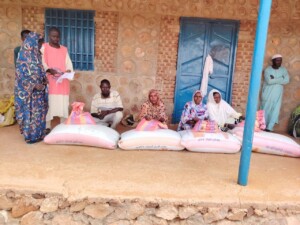
Sha'iriya: October 22, 2026: Radio Dabanga – Citizens in Sha'iriya locality, East Darfur state, have warned of worsening humanitarian and living conditions due to the failure of the agricultural season and the rise in prices of basic commodities. This is compounded by a shortage of human and veterinary medicines and an increase in cases of malnutrition among children and pregnant women, as they call on humanitarian organizations to intervene urgently to save the population and livestock. Citizen Babikir Ishaq told Radio Dabanga that the agricultural season in the locality has failed almost completely, with farmers failing to produce any significant harvest of staple crops, including peanuts, millet, sorghum, and okra. This has deprived families of a primary source of food and income, deepening fears regarding their ability to provide for their needs in the coming period. He added that families in parts of the locality are facing increasing difficulties in accessing food, noting that some families cannot find anything to eat, in the absence of humanitarian aid and with food prices rising to levels beyond the means of many citizens. Rising food prices and declining purchasing power. Ishaq explained that the prices of basic commodities have seen a significant increase. According to his statement, the price of a sack of millet reached about 350,000 pounds via bank transfers, while the price of a sack of sorghum also reached about 350,000 pounds. The price of a pound of onions reached about 4,500 pounds, while the price of a bottle of oil ranged between 13,000 and 14,000 pounds. He pointed out that the price of a pound of sugar reached about 4,000 pounds when paying via bank transfers, as per his report, amid a decline in the purchasing power of families affected by the agricultural failure and the contraction of income sources. Ishaq noted that the deductions imposed on money transfers through the 'Bankak' application are increasing the living burdens, explaining that they reach, according to him, up to 40% in some cases, and rise to 50% in others, which reduces the actual value of the amounts received by citizens and increases the difficulty of purchasing basic needs. Malnutrition and medicine shortages threaten children and pregnant women. On the health front, Ishaq warned of deteriorating nutritional and health conditions, noting that pregnant women are not receiving adequate nutrition, while children suffer from malnutrition, coinciding with limited quantities of available therapeutic food. He called for increased supplies of food intended for treating malnutrition so that families can obtain the necessary quantities to care for affected children, warning of worsening health risks in light of food shortages and weak humanitarian response. He also pointed to a shortage of human medicines and medical supplies in the locality, calling on humanitarian organizations to provide medicines urgently so that patients can receive necessary treatment. Shortage of veterinary medicines and spread of rabies. Fears are not limited to the health of the population, as Ishaq reported the emergence of diseases among livestock, including cattle, horses, and donkeys, in light of a shortage of necessary veterinary medicines. He added that the locality has seen cases where children were bitten by dogs suspected of having rabies, estimating the number of children bitten at about six or seven. He said that the cost of a rabies treatment injection is about 300,000 pounds, which makes it harder for families to access treatment, especially given the high prices of basic goods and declining purchasing power. Ishaq called on humanitarian and health organizations for urgent intervention to provide human and veterinary medicines, and to ensure that children who have been bitten receive the necessary medical care, in addition to supporting health and veterinary services in the locality. He called on international and humanitarian organizations to accelerate the delivery of food and medical aid to Sha'iriya locality, to provide for the needs of children, pregnant women, and families suffering from a lack of food, and to intervene to save the livestock upon which the population depends for their livelihood.
Radio Dabanga (Arabic)الأخبارالخبر الرئيسيالصفحة الرئيسيةسياسةشريط الأخبارعناوين الأخبار
Share
Comments
No comments yet. Be the first to share your thoughts.
Subscribe to our newsletter
Get a summary of the latest news and analysis delivered to your inbox.