Politics
Decoding the War: Elevating Constrained Tribal Identity to a Transcendent National Bond
Decoding the War: Elevating Constrained Tribal Identity to a Transcendent National Bond. Professor Mekki Madani Al-Shibly, Executive Director of the Diraya Center for Strategic Studies, cites the Quranic verse: "O mankind, indeed We have created you from male and female and made you peoples and tribes that you may know one another. Indeed, the most noble of you in the sight of Allah is the most righteous of you." (Al-Hujurat: 13).
Sudanile September 29, 2026Published 1 views
Source:Sudanile
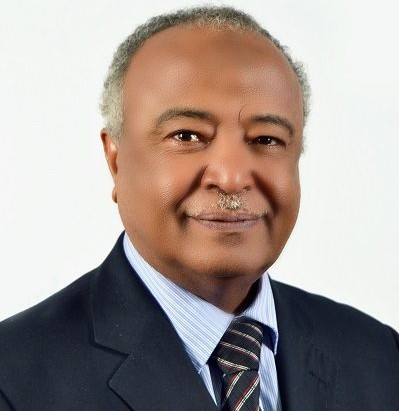
Decoding the War: Elevating Constrained Tribal Identity to a Transcendent National Bond. Professor Mekki Madani Al-Shibly, Executive Director of the Diraya Center for Strategic Studies. The Almighty says: "O mankind, indeed We have created you from male and female and made you peoples and tribes that you may know one another. Indeed, the most noble of you in the sight of Allah is the most righteous of you." (Al-Hujurat: 13). This noble verse reveals a profound human truth: diversity is not a defect to be erased, nor a legitimate reason for differentiation in dignity and rights. A person belongs simultaneously to a family, a tribe, a local community, a language, a culture, and a nation. These affiliations do not cancel each other out but overlap to form a multi-layered human identity. Hence, we should not ask Sudanese people after the war to choose between their tribes and Sudan, or between their language and their national identity. What is required is to learn that our local affiliation resides within our national affiliation, and that differences in culture, language, and region do not diminish the equality of dignity and citizenship. We differ in our sub-identities, yet we are equal in dignity and citizenship. Identity answers the question: Where do we come from? Citizenship adds the most important question: What are we building together? Here begins the national bond: not by abolishing the tribe, region, or culture, but by transforming their diversity from a cause for war into an asset for shared construction. Citizenship is not just an identity card; it is equal rights, shared responsibility, and participation in building an inclusive nation. Thus, Quranic 'knowing one another' becomes a gateway to citizenship: we know one another through our differences, we are equal in our dignity, and we excel morally through the national work we provide for Sudan, building together a nation that does not make sub-identity a basis for privilege or exclusion. Intellectual Spark: Identity tells us where we came from; citizenship asks us: what are we building together? Sudanese people are not asked to melt their tribes, languages, and cultures into a single, uniform identity; rather, they need a national bond that brings together those who are different under the umbrella of identical dignity, equal rights, and shared responsibility. "And made you peoples and tribes that you may know one another." Differences are for knowing one another, not for differentiating in rights; local affiliation is within national loyalty, not a substitute for it. From diverse identity to equal citizenship to a national bond, the war ends, and the building of Sudan accelerates. melshibly@hotmail.com
Sudanileمنبر الرأي
Share
Comments
No comments yet. Be the first to share your thoughts.
Subscribe to our newsletter
Get a summary of the latest news and analysis delivered to your inbox.