
Humanitarian Crisis
The Tragedy of the North Valley Miners: The State is Present for Tax Collection, Absent When Rescue Is Needed!!
Dr. Mohamed Osman: According to circulated reports, nearly two hundred people were killed in Egyptian airstrikes targeting mines in the North Valley. A catastrophe of this magnitude should have shaken the state to its core, mobilizing its entire apparatus and leadership immediately to rescue the injured, search for the missing, and aid the survivors. Yet, based on available information, no official reached the scene. The survivors waited for a long time, then [...] The post The Tragedy of the North Valley Miners: The State is Present for Tax Collection, Absent When Rescue Is Needed!! appeared first on Sudanile.
Sudanile October 14, 2026Published 1 views
Source:Sudanile
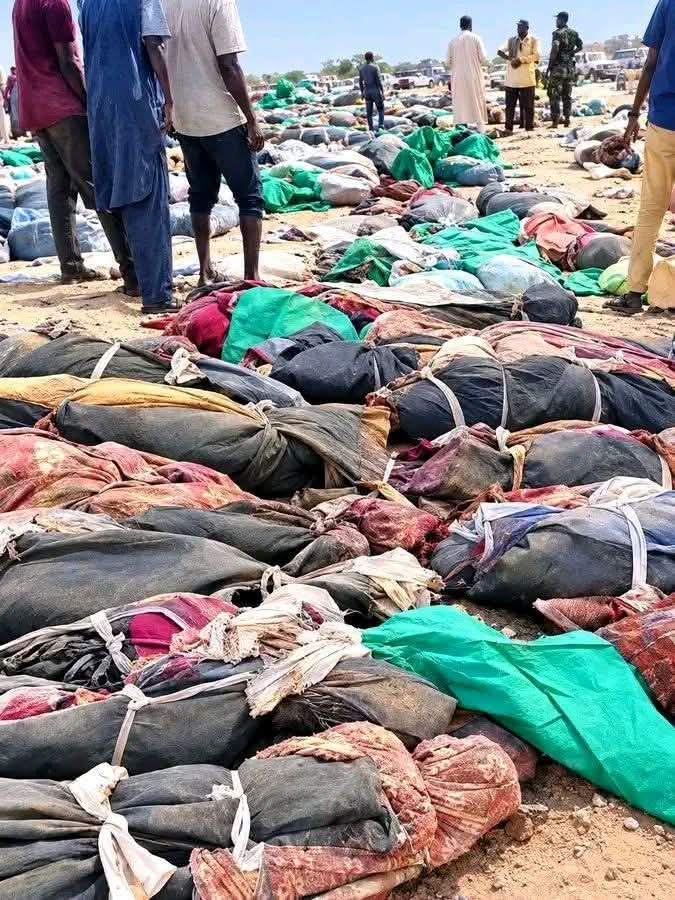
Dr. Mohamed Osman: According to circulated reports, nearly two hundred people were killed in Egyptian airstrikes targeting mines in the North Valley. A catastrophe of this magnitude should have shaken the state to its core, mobilizing its entire apparatus and leadership immediately: to rescue the injured, search for the missing, and aid the survivors. Yet, based on available information, no official reached the scene. The survivors waited for a long time, then, exhausted by loss, fear, and fatigue, they were forced to bury their companions with their own hands. It is a scene where the bitterness of loss blends with the cruelty of feeling abandoned. Is the death of two hundred citizens not enough for the (venerated) Chairman of the Sovereignty Council or the Prime Minister to move to the site of the tragedy? How many people must die before the state leadership feels it has a responsibility that requires their presence? The expectation is not for officials to replace rescue and ambulance teams, but to ensure that specialized institutions take action and to witness the scale of the disaster and the needs of those affected firsthand, so citizens feel their leadership is present alongside them in the darkest of circumstances. At the very least, it would have sufficed to dispatch a high-level representative to assess the situation and follow up on the official response. The more important question beyond a visit: Where were the military ambulance and rescue teams? Where were the National Council for Civil Defence (NCCD) and the Humanitarian Aid Commission (HAC), which are responsible for providing shelter, evacuation routes, and coordinating humanitarian aid in such disasters, to search for the wounded, missing, and those lost in the surrounding mountains and desert? And why were the exhausted survivors left to face the burden of burying their dead alone after such a long wait? A citizen’s right does not end with their death. They have a sanctity that must be preserved, and their families have a right to know their fate and bury them with dignity. When survivors are forced to bury their companions themselves, it raises painful questions about the absence of official response and the level of institutional readiness to deal with disasters in mining areas far from centers of power. Even if the state is unable to prevent every disaster or attack, its duty remains: to rescue the injured, aid survivors, search for the missing, conduct immediate on-site investigations into the incident's circumstances, and hold those responsible accountable. Where did the state and local authorities, who were collecting fees and taxes from mining activities and gold revenues, disappear to? Were they present when it came to collecting revenue, only to be absent when miners needed relief and help? Collecting fees does not mean local authorities are responsible for preventing airstrikes, but it places a clear responsibility upon them regarding what falls under their jurisdiction: emergency services, relief coordination, and disaster response. Citizens have a right to know what these authorities provided to the victims and survivors, what actions were taken, and why, according to available information, their officials did not appear at the scene of the tragedy. Public revenue is not an end in itself; it should be matched by responsibility toward the citizens. For a citizen to find the authority when collecting money, only to find it missing during an ordeal, puts trust in these institutions to a real test. Oh, Lieutenant General Abdel Fattah al-Burhan, Chairman of the (absent) Sovereignty Council, and oh, Kamal Idris, the (oblivious) Prime Minister: How can a citizen be asked to trust the state's ability to protect them after seeing what happened in the North Valley mines? How can they be reassured that the state will be present if they are endangered, if disaster strikes their family, or if they need rescue in a remote area? On what basis should they build their trust in a leadership when they have not seen a single official reach the scene of a tragedy of this magnitude? Trust is built by the ability of institutions to respond when people need them, by the clarity of officials in facing crises, and their readiness to take responsibility for proven shortcomings. It was expected that a high-level official would visit the site of the tragedy, that a clear media statement would be issued explaining the truth of what happened, that a firm position would be announced, and that the measures to be taken to protect workers in mining areas in the future would be revealed. Now, it is necessary to review the official humanitarian response to the incident and hold all those found negligent accountable. A citizen who is asked for patience and sacrifice in times of war has the right to find their state by their side when their life is threatened, rather than just being asked for patience while they face death alone. In contrast to this official absence, the Rashaida communities and the local communities that rushed to aid the injured and survivors deserve appreciation and fairness. They demonstrated nobility, rescue, and solidarity, and provided moral, relief, and logistical support under harsh conditions. This is not the first time; it was preceded by similar stances in previous incidents, including the strike that preceded this last event. To you, our deepest thanks and sincere gratitude from the heart. You have proven that nobility does not require a position, that rescue does not wait for an official statement, and that true manhood is shown when a person extends a hand to their brother in the moment of trial. What you have provided deserves appreciation and documentation, and it will remain a witness to the authenticity of social solidarity in Sudanese society. With this noble role, you have placed the state before the mirror of its own shortcomings, as it left its citizens to face disasters alone. The North Valley miners waited for the state to aid the living and bury the dead, but the exhausted survivors were forced to bury their companions themselves. Today, the leadership and relevant authorities are required to explain their absence, shoulder their responsibilities, and restore citizens' trust through action, not words. The state's official stance regarding this tragedy alone is enough to warrant the resignation of both the head of state and the government, if they had an ounce of dignity or morality that would compel them to respect themselves, or if they were in a state that respects its citizens. If protecting the lives of citizens and preserving the dignity of their dead is not at the core of the state's responsibilities, then what is left of the meaning of a state? m.osman.academic@gmail.com The post The Tragedy of the North Valley Miners: The State is Present for Tax Collection, Absent When Rescue Is Needed!! appeared first on Sudanile.
Sudanilefactcheck:reviewمنبر الرأي
Share
Comments
No comments yet. Be the first to share your thoughts.
Subscribe to our newsletter
Get a summary of the latest news and analysis delivered to your inbox.