
Economy (Citizen's Condition)
Counterfeiting compels Central Bank of Sudan to withdraw old SDG500 bills
Sudan’s central bank is withdrawing SDG500 notes issued in 2023 or earlier, with an economist... The post Counterfeiting compels Central Bank of Sudan to withdraw old SDG500 bills appeared first on Dabanga Radio TV Online.
Radio Dabanga October 7, 2026Published 1 views
Source:Radio Dabanga
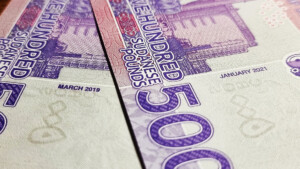
Sudan’s central bank is withdrawing SDG500 notes issued in 2023 or earlier, with an economist linking the move to counterfeiting and warning of its inflationary effects. The Central Bank of Sudan (CBoS) says it is withdrawing SDG500 banknotes issued in 2023 or earlier, giving holders until 31 December 2026 to exchange them before they cease to be legal tender. The bank says the three-month withdrawal period began on 1 October. In Kordofan and Darfur, the notes can already only be exchanged by depositing them into accounts at commercial bank branches. From 1 January 2027, they will no longer discharge financial obligations. ‘A sound measure’ Economic expert Dr Ohaj Sayed describes the move as ‘a sound measure’, saying he believes some of the withdrawn notes are counterfeit. The watermark is one of several anti-counterfeiting measures designed into a SDG500 banknote (Photo: Andrew Bergman / RD) Speaking to Radio Dabanga, he says counterfeit money increases the money supply and is used to buy real goods and services, pushing up prices and fuelling inflation. It can also be used to purchase foreign currency, particularly USD, contributing to exchange-rate increases. “When the money supply increases, the general price level rises, and the same applies to foreign exchange rates,” he says. “This compounds the impact of rising prices. We still rely heavily on imports, so whenever the exchange rate rises, the prices of imported goods in the domestic market also increase.” Policy priorities Sayed says Sudan should first curb demand for foreign currency, particularly USD, by prioritising imports and directing available foreign currency towards basic and strategic goods. He also calls for incentives to bring artisanal and traditional gold mining into the banking system, allowing the state to purchase gold from miners in Sudanese pounds and convert export proceeds into foreign currency to strengthen reserves. He says currency replacement could be considered later, but managing foreign-currency demand and securing strategic goods should come first. Little market disruption expected Sayed does not expect the withdrawal to cause significant market disruption, saying banking applications should ease the impact. Technical failures could cause some panic, however, if people need to rely on cash. The SDG500 note is among the less widely circulated denominations, he says. SDG100 and SDG200 notes are also used less frequently, while replacing larger denominations such as SDG1,000 and SDG2,000 would be more disruptive. He therefore expects the withdrawal of the SDG500 note to have little impact because of its relatively low circulation. Sudanese Pounds (File photo: Andrew Bergman / RD) History SDG500 banknotes were first issued by the Central Bank of Sudan in March 2019, at a time when Radio Dabanga had been reporting for months that banks across Sudan had limited cash withdrawals due to a severe lack of liquidity. The printing of new currency by the Central Bank of Sudan was necessitated by hyperinflation, coupled with a chronic shortage of hard cash. Share articleThe post Counterfeiting compels Central Bank of Sudan to withdraw old SDG500 bills appeared first on Dabanga Radio TV Online.
Radio DabangaBusinessEconomyFlashInternational involvementOpinion and analysisPolitics
Share
Comments
No comments yet. Be the first to share your thoughts.
Subscribe to our newsletter
Get a summary of the latest news and analysis delivered to your inbox.